
Health Blog
Post-Surgical Manual Therapy: A Path to Recovery
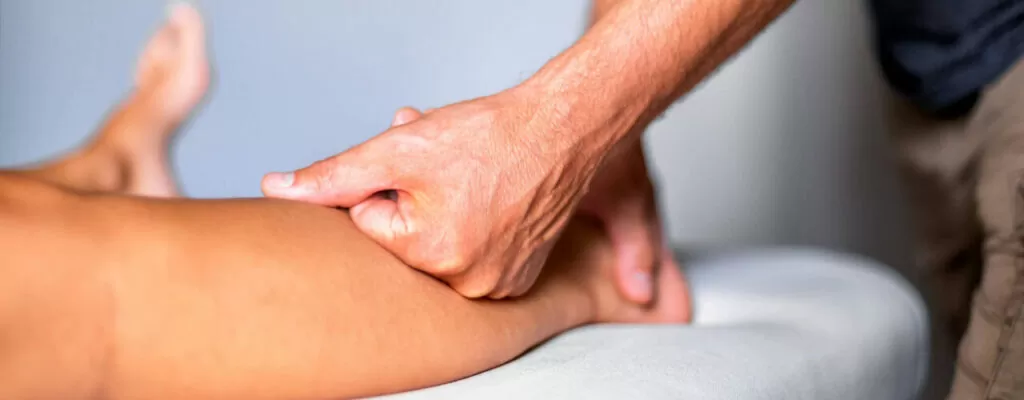
For Robert (not his real name), a 62-year-old retiree, the decision to undergo a total knee replacement wasn’t easy. Years of chronic pain and stiffness had taken a toll, leaving him unable to enjoy long walks or play with his grandchildren. After the surgery, Robert faced a new set of challenges: swelling, limited mobility, and discomfort during basic movements. Fortunately, Robert found support at , where a comprehensive recovery plan included post-surgical manual therapy.
Read full blogHow Physical Therapy Helps Manage Chronic Pain
Chronic pain can feel like a constant barrier, interfering with work, hobbies, and even relationships. Defined as pain lasting longer than three months, it often persists despite rest or medication. Many individuals find themselves in a cycle of temporary relief followed by frustration as the pain returns. Physical therapy offers a proactive path to chronic pain relief.
Instead of masking symptoms, it addresses the underlying causes, helping patients regain strength, mobility, and control.
Read full blogHow Improving Mobility Can Transform Your Golf Game

Mobility is the foundation of a successful golf swing. It allows your body to move smoothly and efficiently through each phase of the swing, from the backswing to the follow-through. Without adequate mobility, golfers often struggle with consistency, accuracy, and power. Improving golf-specific mobility isn’t just about flexibility; it’s about ensuring your body has the range of motion and control to perform at its best. Physical therapy can help unlock your potential by addressing mobility limitations, leading to better performance on the course.
Read full blogEffective Sports Injury Pain Management Through Physical Therapy

Suffering from a sports injury, whether from overuse, a sudden impact, or a misstep during play, can lead to pain that disrupts an athlete’s daily life and performance. Strains, sprains, fractures, and tendon injuries are common culprits, and the resulting discomfort can range from mild to severe. Without proper sports injury pain management, the pain can lead to stiffness, limited mobility, and even chronic issues that affect long-term health.
Physical therapy at offers a proactive approach to targeting the pain and its root causes, ensuring a faster and more effective recovery.
Read full blogManaging Shoulder Pain from Injuries with Physical Therapy
Shoulder pain can quickly disrupt your life, making simple tasks like lifting groceries or reaching overhead a challenge. For athletes and active individuals, it can mean taking an unwanted break from sports or fitness routines. The good news is that shoulder pain doesn’t have to be permanent because physical therapy offers a proactive and effective approach to shoulder pain management. By addressing the source of pain and working to restore strength and mobility, physical therapists help patients get back to doing what they love.
Read full blogSay Goodbye to TMJ Pain with Manual Therapy

TMJ (temporomandibular joint) pain can affect nearly every part of daily life. Whether it’s biting into your favorite meal, enjoying a conversation, or simply getting a good night’s sleep, the discomfort can feel relentless. If you’ve been struggling with TMJ issues, you might wonder if lasting relief is even possible. Fortunately, at , patients find hope and healing through manual therapy for TMJ pain relief, an evidence-based approach that addresses the root causes of discomfort while restoring normal jaw function.
Read full blogCan Physical Therapy Provide Relief from Joint Pain?

Joint pain can disrupt every aspect of daily life, from simple tasks like walking to activities you once enjoyed. Whether it’s caused by arthritis, injury, or repetitive stress, joint pain often results in stiffness, swelling, and reduced mobility. Over time, the discomfort can make even routine movements feel overwhelming. Physical therapy at offers joint pain relief solutions that don’t just mask the pain—we target the root causes. With personalized techniques designed to restore function, reduce discomfort, and provide an effective path to relief.
Read full blogEffective Recovery Strategies for Serious Golfers

For serious golfers, the demands of the sport extend far beyond a casual round. The repetitive swings, high-intensity practices, and hours spent on the course can take a toll on the body. Over time, even the most skilled players can experience muscle fatigue, joint stiffness, and overuse injuries that interfere with performance and enjoyment. Fortunately, physical therapy at offers a tailored approach to recovery strategies for golfers, helping players maintain their physical health while enhancing their performance.
Read full blogThe Key to Effective Rehabilitation After a Sports Injury

Sports injuries can sideline even the most active individuals, causing pain, reduced mobility, and frustration. Common injuries such as sprains, muscle tears, or fractures can disrupt not only athletic performance but also everyday activities. Without proper care, these injuries may lead to chronic pain, prolonged recovery, or an increased risk of re-injury. Fortunately, our team understands how effective rehabilitation after a sports injury is essential for restoring strength, mobility, and confidence.
We offer a comprehensive approach, helping athletes recover safely while preparing their bodies to handle future physical demands.
Read full blogPost-Surgery Shoulder Rehab with Physical Therapy

Recovering from shoulder surgery can feel overwhelming. Pain, stiffness, and limited movement can make daily tasks challenging, but these obstacles are only temporary. With post-surgery shoulder rehab, you can regain your mobility and return to the activities you love.
Our physical therapists will address your discomfort, restore strength, and ensure a smoother return to normal function. At , patients receive expert guidance and personalized care to achieve lasting results.
Why Skipping Post-Surgery Shoulder Rehab Isn’t an Option
Some patients may be tempted to skip or delay rehab, thinking they can manage recovery on their own.
Read full blog