
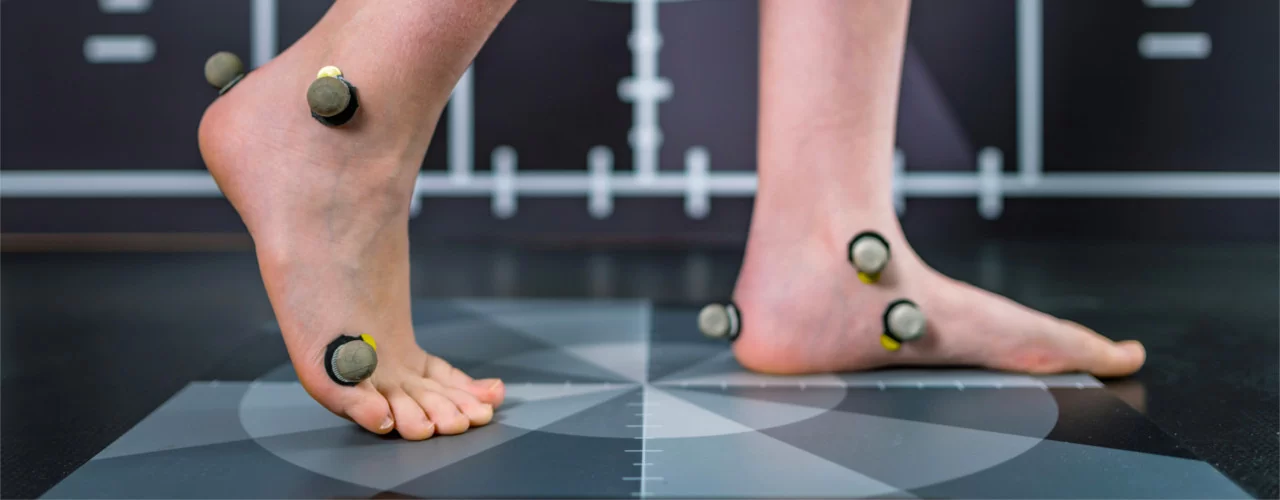


Are you a runner? If so, you understand the importance of maintaining proper form and technique while you’re out on a trail, training for a marathon, or simply jogging through the neighborhood. At Atta Rehab, we want to make sure that you are performing at your optimum levels of function, so you can avoid injury and get the most out of your sport! In addition to our running and gait analysis service, here are 5 tips to keep in mind when training to improve your running mechanics:
1. Cadence
Adjusting a runner’s cadence can be one of the quickest ways of reducing pain with running. A runner’s cadence is the amount of steps that are taken per minute. Every person’s optimal cadence will vary, but for most runners, slowly increasing a runner’s cadence can lead to reduced strain on your joints.
2. Pelvic Alignment
Much of running is focused on the feet; however, pelvic posture plays a large role in running, as well. You can achieve proper pelvic alignment by doing certain hip position tests, such as vertical compression tests and hip extension tests.
With vertical compression, stand with someone behind you, with their hands on your shoulders. Have them push straight down. If your hips buckle, it means your pelvic alignment is off. This can be corrected with postural improvement, with the help of a physical therapist.
With hip extension, kneel in front of a doorway with your back against the door jamb. Your left leg should be on the floor and your right knee should be bent over your right foot, directly in front of you. While you’re in this position, you should naturally have a small space between your lower back and the wall. Tilt your pelvis backward to remove this space. If this is difficult to do, your pelvic alignment may be off. This can also be corrected with postural improvement, with the help of one of our physical therapists in Aiea, HI.
3. Base of Support
In another study published in the National Institutes of Health, several running mechanics were analyzed through video assessments, including base of support. This is an important mechanic to evaluate, as foot placement is one of the most integral parts of running. It was noted that, as a general rule, “the left and right feet should not overlap in their ground contact location.” There should always be space between foot placement, as a narrow base of support has been known to cause painful conditions, such as tibial stress fractures and iliotibial band syndrome.
4. Foot Strike
There is significant variability in foot strike patterns between individuals and each pattern can result in pain and injury. Foot strike is determined by which part of your foot hits the ground first while running. Changing foot strike patterns among other variables can improve a person’s pain with running.
5. Vertical Displacement
It is no secret that technique plays a large role in running performance. Vertical displacement refers to how much your center of mass moves up and down while you run. When your vertical displacement is insufficient, it can lead to a premature touchdown of your swing leg or a low center of mass trajectory. However, excessive vertical displacement can also cause runners to expend more energy than necessary. Both of these scenarios can be corrected by changing your stride, which can be accomplished with the help of our physical therapists.
Contact us today!
Are you ready to run at your peak level of performance? Contact our Aiea, HII physical therapy practice today! At Atta Rehab, we’ll examine your running mechanics to figure out how your running efficiency can be increased to improve performance and reduce your risk of injury. Call us today to find out how you can run at your highest potential!