
Understanding an ACL tear and how our physical therapists at Atta Rehab in Hawaii help
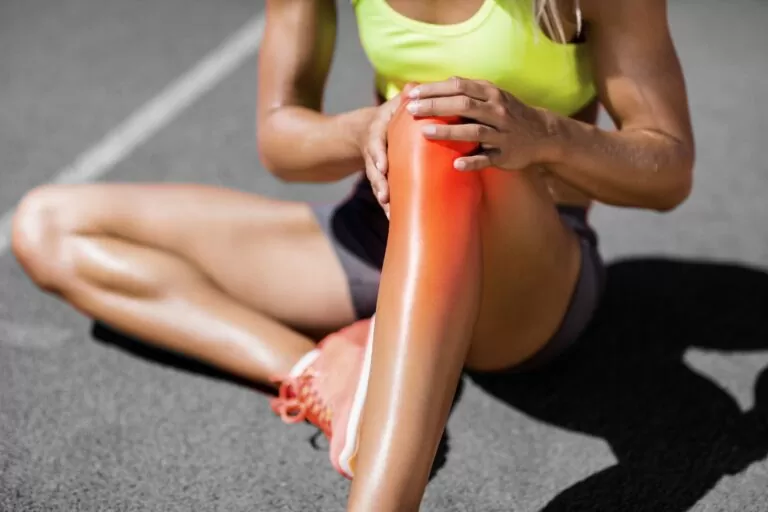
It is estimated that about 200,000 ACL injuries are diagnosed in the United States each year. An anterior cruciate ligament tear (ACL tear) is a common injury to the knee that affects athletes such as soccer players, gymnasts, and basketball players. While ACL tears are frequently seen among athletes, people who don’t participate in sports can also experience the injury.
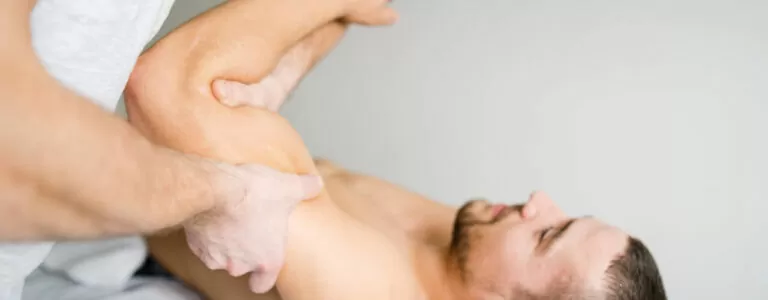
Physical therapists are qualified to assist people with ACL tears. Our sports PTs at Atta Rehab in Hawaii work to minimize discomfort and swelling, regain strength and mobility, and get patients back to their preferred activities.
If you’ve been diagnosed with an ACL tear, contact us today to schedule an appointment!
What Is an ACL Tear?
The anterior cruciate ligament (ACL) is one of the main ligaments that bridge the knee joint between the thigh bone (femur) and the shin bone (tibia). Your ACL might rip if you:
- Lock your knees.
- Suddenly halt your running.
- Suddenly shift your weight from one leg to the other.
- Jump and land on a straightened and extended knee.
- Stretch the knee beyond its typical range of motion.
- Take a direct blow to the knee.
Symptoms of an ACL Tear
Symptoms of an ACL tear include:
- loud popping in the knee
- intense discomfort
- difficulty in continuing with activity
- rapid enlargement
- motion restriction
- a sensation of unsteadiness or “giving way” when carrying weight
Treatments & What to Expect
Physical therapists assist people with ACL tears to minimize discomfort and swelling, regain strength and mobility, and return to their preferred activities. Our sports PTs enhance quality of life by providing direct care, patient education, and prescribed exercises.
During your initial consultation, your physical therapist will collect details about your medical history, general health, and recovery goals. They will then design an individualized treatment program based on your specific needs and goals. Your treatment program may include:
Bearing weight
If you’ve had surgery, your orthopetist may require crutches for weight balance. The amount of time that you’ll use crutches will depend on the type of reconstructive surgery you have received. Your physical therapist will design a treatment program to meet your needs and guide you toward full weight bearing.
Icing and compression
Your physical therapist will use a cold compressive application such as an ice sleeve to reduce swelling as soon as possible after surgery.
Bracing
Some surgeons will provide you with a brace to restrict your knee’s range of motion after surgery. Your physical therapist will fit you with a brace and show you how to use it properly.
Movement exercises
Your physical therapist will give you modest exercises that you can do at home during the first week after surgery. These help you regain motion in the knee area and get your knee back to full range of motion. Prescribed exercises help with blood flow improvement, which also aids in edema reduction.
Electrical stimulation
Your physical therapist may use electrical stimulation to help regain muscle strength and help you achieve full knee function.
Strengthening exercises
Your physical therapist will work with you to gradually improve your knee’s strength using a combination of weight-bearing and non-weight-bearing activities during the first four weeks following surgery. Your quadriceps and hamstrings will be the focus of these exercises, which may only allow for a certain range of motion in order to protect the newly repaired ACL. Your physical therapist may add balance exercises to your program and up the difficulty of your workouts over the course of the following weeks.
Balance exercises
Your physical therapist will lead you through exercises on varied surfaces to help you regain your balance. Balance exercises will help you gradually shift your weight onto the leg that had surgery. As you proceed through these exercises, you’ll stand on the surgery leg while doing them on firm and shaky surfaces to test your balance.
Return to sport or activities
As you start to restore their strength and balance, you may begin running, jumping, hopping, and performing other exercises specific to your individual sport.
Book an Appointment Today!
An ACL tear can significantly impact athletic activity. At Atta Rehab in Hawaii, our team understands the challenges of ACL injuries and can’t wait to help you recover so you get you back in the game!
Don’t wait to start healing today. Call us today to book an appointment!